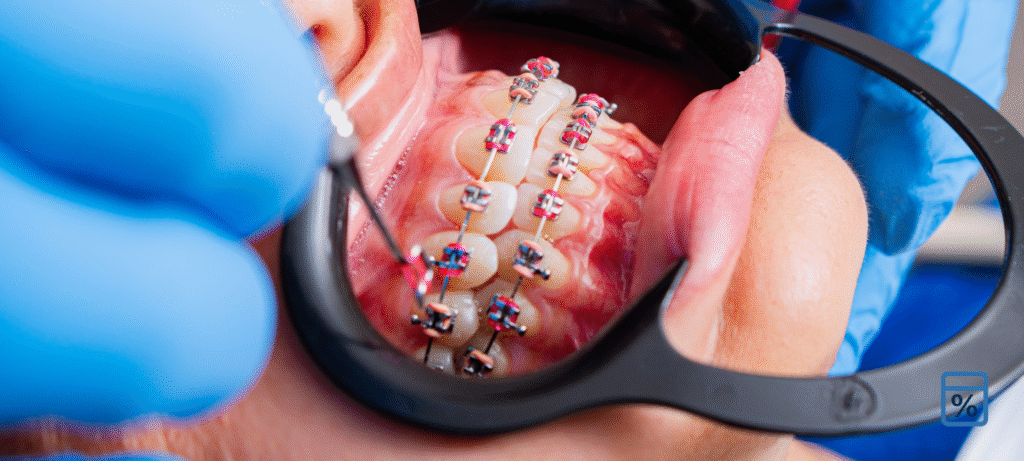
Right, let’s be honest, there are few things that ruin a perfect moment faster than that sudden, sharp, ice-pick feeling in your mouth. You’re just enjoying a nice cold glass of water, maybe you’re outside and a gust of winter air hits you, and BAM! A shocking pain shoots right through your teeth, forcing you to wince and probably make a ridiculous face that your friends will tease you about later.
I’ve been there, so I know exactly how awful it feels. That kind of sudden, electric painit’s not a dull ache, it’s a quick jolt that disappears immediately, right? That’s your tooth’s nerve freaking out, and it’s sending you a very loud, clear message: Something protective has moved or worn away.
In dentist-speak, this is called dentin hypersensitivity, but let’s just call it what it is: your teeth yelling at you.
See, your teeth are built like little fortresses. The outside is covered in super-hard enamel, which is basically the strongest armour in your entire body. Inside that armour is the dentin, a softer layer that is full of tiny tunnels—thousands of them—that lead straight to the pulp, where the nerve and blood vessels are located. When the enamel or the gums retreat, those little tunnels are wide open, and anything hot, cold, or sugary rushes right down and irritates the nerve. That’s the shock you feel.
It’s often a very frustrating thing because you’re thinking, “I was fine last week! Why am I suddenly dealing with this nonsense now?” Well, it’s rarely a true sudden change; it’s usually a process that finally hit that unfortunate tipping point.
Now, as the guy who mostly talks about the money side of things here at quickvatcalculator.co.uk—like how to save cash and maybe avoid big dental bills by knowing what kind of care is exempt from VAT (because preventive care is always cheaper, right?)—I always say: use this pain as a wake-up call! Let’s figure out what’s causing your teeth to be such drama queens.
The Most Likely Suspects Behind the Sensitivity Shock
When your sensitivity appears out of the blue, you need to look for what changed, even slightly, in your routine or your body.
1. You’ve Got an Aggressive Brushing Style
I’m sorry, but this is the most common reason, and it’s one hundred percent down to your technique, or lack thereof. We’re all guilty of it, thinking that scrubbing harder equals a cleaner mouth. But when you apply too much pressure with a hard-bristled brush, you are literally causing damage.
- You erode your gums: Your gums are soft tissue, and treating them like a stubborn stain on the kitchen counter will make them recede—pull back—from the tooth root.
- You scrape the root: When the gums pull back, the root of the tooth is exposed. The root doesn’t have that super-hard enamel; it has something much softer called cementum. Scrubbing that area exposes the sensitive dentin underneath almost immediately.
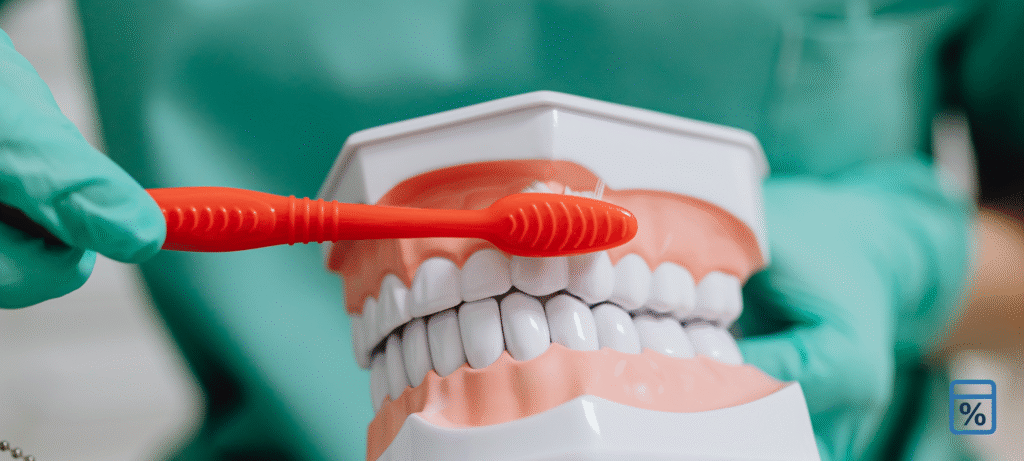
Maybe you just switched to a new, firmer brush, or maybe you got really determined to get rid of some staining, and now you have sensitivity. That’s probably why! The solution is to immediately swap to a soft-bristled toothbrush and use a gentle, tiny circular motion. Don’t press hard, just sweep the brush lightly over the surfaces. It feels wrong at first, but your gums will thank you.
2. Gum Issues That Creep Up On You
It’s not always the brush’s fault, though. Sometimes, the recession is caused by gum disease, or periodontitis. If your gums are puffy, red, or bleed when you floss, they are inflamed due to a buildup of plaque and tartar. This chronic inflammation slowly but surely damages the tissue and the bone holding your teeth. As the bone and gums slowly disappear, more and more of that sensitive root is exposed.
You might not notice the recession every day, but once enough of that vulnerable surface is showing, the sensitivity just hits you. You’ll need a professional dental cleaning, possibly a deep clean, to get rid of the bacteria that are causing the problem. Seriously, don’t put this off. Gum disease is the number one cause of adult tooth loss, and a little sensitivity is a gentle nudge to go get it checked. While you are checking your gums, maybe check the whole inside of your mouth? We recently wrote a whole post about that funny little colour change people sometimes see, so if you’re concerned about that funny yellow roof of your mouth, go read that article next, because sometimes a colour change or a strange texture can be easily fixed hygiene issue, too. It’s always good to be thorough.
3. The Acid Diet Dilemma
Have you gone on a bit of a health kick lately? Or maybe you’ve just started having two sodas a day instead of one? Believe it or not, this is a very common trigger for sudden sensitivity.
Your enamel hates acid. Things like:
- Lemon water (first thing in the morning is the worst!)
- Vinegar-based dressings or health shots
- Fizzy drinks, even the sugar-free ones (the carbonation and citric acid are killers)
- Excessive fruit juice or wine
All these things temporarily soften the enamel on your teeth. If you drink a glass of orange juice and then immediately jump up to brush your teeth, you are basically sanding off that softened enamel. You thin the armour, and suddenly, boom, sensitivity.
The Golden Rule: If you consume anything acidic, wait at least 30 to 45 minutes before you brush. Just swish with some plain water instead to help neutralise the acid, and then you can brush later when your enamel has had a chance to “re-harden.”
4. Hidden Cracks and Missing Pieces
This cause is sneaky because the pain is usually focused on one tooth only, but it might be hard to figure out what’s wrong just by looking.
You might have a tiny crack—a microscopic fracture—in your tooth. How? Biting something hard, like an ice cube, a hard sweet, or just years of grinding. That crack provides a direct express lane from the outside world straight to the nerve. When you chew, the crack flexes open, and when cold hits it, you get that shocking pain.
Also, check your old fillings. Sometimes an old metal or composite filling cracks, or it shrinks slightly over time, creating a minute little gap between the filling and your actual tooth material. This gap is another open door to the sensitive dentin. If you suspect this, you need a dentist right away. A tiny crack can quickly become a major structural issue, leading to a much more complex and, you guessed it, expensive root canal down the line.
5. Grinding and Clenching (Bruxism)
If you wake up with a sore jaw, a headache, or just a general stiffness in your neck, you might be a clencher or a grinder, and you don’t even know it. This usually happens at night when you’re stressed or focused.
The constant, heavy pressure from grinding your teeth together essentially sands down the chewing surfaces of your teeth. Over time, that enamel thins out rapidly, exposing large patches of dentin. And guess what? Exposed dentin equals sensitivity.
If you suspect this, ask your dentist for a night guard. It’s a custom-fitted piece of plastic that you wear while you sleep. It won’t stop you from grinding, but it will save your teeth from the physical damage. It’s a very worthwhile investment in your long-term oral health and definitely cheaper than replacing a cracked molar!
6. Recent Dental Procedures
Sometimes, the cause is just a temporary side effect of fixing something. Did you just get a new filling? A crown? Maybe a deep cleaning (scaling)? It’s really common to have a little temporary sensitivity right after these procedures, especially if the work was deep or close to the nerve. The tooth structure gets a little agitated, and it just needs some time—usually a few days or maybe a week or two—to calm down. If it lasts longer than a month, or if the pain is severe, call your dentist back, though.
Action Plan for Immediate Relief
You’re in pain now, so what can you do before you get to the dentist? Don’t just sit there suffering! Take these simple steps.
Step 1: Get the Right Toothpaste. Seriously.
This is your number one home remedy. Go out and buy a toothpaste specifically for sensitive teeth. Look for ingredients like Potassium Nitrate or Stannous Fluoride. These ingredients aren’t abrasive; they’re designed to either block those tiny dentin tunnels or literally soothe the nerve inside.
A Quick Tip: Don’t just brush with it. After you’ve finished brushing (gently, please!), take a little extra toothpaste on your finger and gently massage it onto the worst sensitive spots. Leave it there for a couple of minutes before spitting. This gives the active ingredients longer to work their magic. You have to use it consistently, though—it takes a couple of weeks for the ingredients to really build up protection.
Step 2: Stop Abusing Your Teeth
I know I said it before, but it bears repeating.
- Ditch the hard brush. Switch to soft.
- Don’t rinse vigorously after brushing. Just gently spit out the excess toothpaste foam. Leaving a little fluoride residue on your teeth actually helps them remineralise and become stronger.
- Watch the temperature extremes. For a while, try to let your tea cool a little and avoid chewing on ice. Give those nerves a break!
Step 3: Check Your Water Intake
Dehydration leads to dry mouth, and a dry mouth is a breeding ground for bacteria and acid, which accelerate all these problems. Are you drinking enough plain water throughout the day? I’m talking about actual water, not fizzy drinks or juice. If you are constantly thirsty or have that sticky mouth feeling, you need to up your fluid intake. A well-hydrated mouth is a happy mouth.
When to Stop Messing Around and Call the Pros
Look, I’m just a writer on the internet giving you friendly advice. I can’t look inside your mouth. If your pain is genuinely new and persistent, you need to call your dentist or your GP. Do not delay if you experience any of these symptoms:
- The pain lingers—it hangs around for more than thirty seconds after the cold is gone. That’s often a sign that the nerve is truly inflamed or infected.
- The pain is accompanied by a pimple or swelling on your gum line (that’s an abscess, and it’s serious).
- You see dark staining, a hole, or a visible chip on the tooth.
- The pain keeps you awake at night.
Any of these things mean the problem is no longer just a sensitive dentin issue; it’s a structural or infection issue, and it needs a proper physical examination and X-ray. It’s always easier and cheaper to fix a small cavity or seal a tiny crack than to wait until you need a complicated and expensive root canal. Seriously, phone them up right now. Don’t wait until the weekend when everything is closed and you’re forced to pay emergency rates. Your teeth are priceless, look after them!