If you ever heard someone say you should visit an orthodontist and you automatically assumed that it’s just another word for a dentist, you’re definitely not the only one. A lot of people mix up the two. Before I ever looked into it properly, I also thought orthodontists were simply dentists who only do braces. Turns out the story is a bit bigger than that and honestly kind of interesting when you break it down in normal human words.
In this guide on quickvatcalculator.co.uk we’ll walk through everything from what an orthodontist is to the treatments they offer and why people actually need orthodontic care. I’ll also share how appointments work, how long treatments take and even what the cost looks like in the UK. This entire article is written to feel like a real human author, which I am trying my best to achieve so excuse a few tiny mistakes here and there that make it feel more natural
Understanding What An Orthodontist Really Is
An orthodontist is basically a dentist who has done additional years of specialised training specifically in teeth alignment and jaw positioning. After becoming a regular dentist, they study further to master the science of diagnosing and treating problems like crooked teeth, overbites, underbites, jaw misalignment, gaps between teeth, and overcrowding.
Where normal dentists focus on general oral care like fillings, cleaning and checking for cavities, orthodontists focus on how your smile lines up. They’re the experts behind braces, aligners, retainers and all the tools used to guide teeth into proper positions.
A helpful way to imagine it is like this. Your normal dentist is your everyday GP for your mouth. But an orthodontist is the specialist consultant who focuses on alignment, function and the mechanics of how your bite works.
Why People Visit Orthodontists
People visit orthodontists for more than just cosmetic reasons. Straight teeth can absolutely improve your confidence but there are also important health benefits. Misaligned teeth can be harder to clean which increases risks of cavities. Overbites or underbites can create jaw strain or even headaches. Crowded teeth can cause friction and even cracks if not corrected.
Here are some common issues orthodontists treat
Crooked teeth
Teeth that overlap or twist out of their natural order
Gaps between teeth
Sometimes caused by jaw size or habits like thumb sucking
Overbite
Where the upper front teeth come too far over the lower teeth
Underbite
The lower jaw pushes forward more than the upper jaw
Crossbite
Some upper teeth bite inside the lower teeth
Open bite
Where the upper and lower teeth don’t meet when biting down
Jaw alignment problems
Which can cause chewing issues or even clicking sounds
So while straightening teeth does make a smile look great, it also improves long term oral health.
Orthodontists Vs Dentists What’s The Difference
This is one of the most common confusions. A dentist covers general oral care. They do fillings, crowns, routine checks, cleaning and fixing tooth decay. An orthodontist also starts as a dentist but then spends years focusing only on alignment and bite correction.
So if you want straighter teeth, or your dentist notices a bite issue, the orthodontist is the correct specialist to see. They use tools and techniques that general dentists simply do not train for.
Treatments Orthodontists Offer
Orthodontics has evolved massively over the years. Gone are the days when metal braces were the only option. Today orthodontists offer a range of treatments depending on the complexity of the case and preferences of the patient.
Here are the main treatments explained properly.
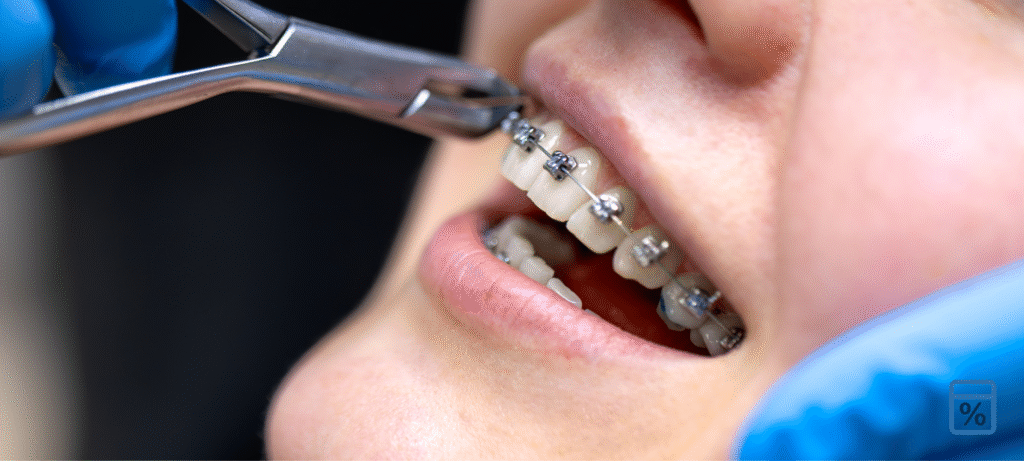
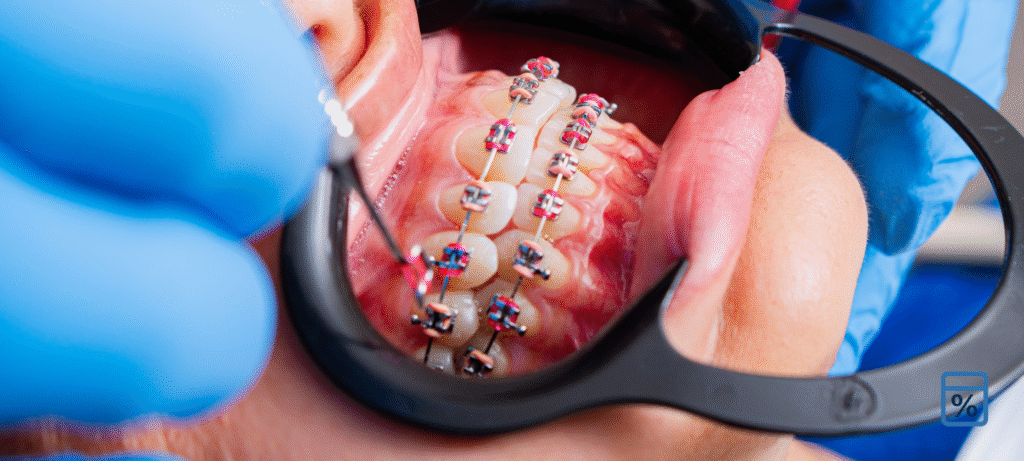
Metal Braces
These are the classic brackets placed on the teeth with a metal wire running through them. They are strong, reliable and often the fastest option for complicated cases.
Ceramic Braces
Work exactly like metal braces but the brackets blend into the teeth. Many people prefer them because they look more natural.
Lingual Braces
These braces sit behind the teeth instead of the front, making them nearly invisible. They are harder to get used to but very discreet.
Clear Aligners
Clear aligners, for example Invisalign clear aligners, straighten teeth using almost invisible removable trays. They are a favourite for adults who want a discreet treatment option. Orthodontists use these aligners a lot because they are comfortable and easy to manage.
Retainers
After any alignment treatment, you need retainers to keep the teeth in their new position. Skipping retainers can undo years of progress which nobody wants.
Elastics And Expanders
Elastics help adjust bite direction while expanders help widen the upper jaw in younger patients whose jaws are still developing.
What Happens During An Orthodontic Appointment
A first orthodontic visit is usually relaxed and more about planning. Most people think they will instantly walk out with braces but that almost never happens.
Here is how the process usually works.
Step 1 Consultation
The orthodontist examines your teeth and jaw. They check bite alignment, crowding and tooth angles.
Step 2 X Rays And Photos
They usually take x rays and detailed photographs so they can understand the root positions and the jaw structure.
Step 3 Making A Treatment Plan
Based on all the scans they create a personalised treatment plan. Every mouth is different so no two plans are exactly the same.
Step 4 Discussing Options
They explain your choices from metal braces to ceramic braces or clear aligners. The orthodontist will also recommend which treatment fits your case best.
Step 5 Fitting The Appliances
On a later visit the braces or aligners are fitted. The orthodontist will also explain cleaning tips, what to avoid and how often you need adjustments.
It’s a process that takes planning but everything is explained clearly so patients usually feel relaxed pretty soon.
How Long Orthodontic Treatment Takes
This is one of the biggest questions people ask and honestly the answer varies a lot. Treatment can be as short as six months or as long as three years depending on the complexity. Mild alignment issues fix quicker while major corrections take more time.
Aligners can sometimes be faster but that’s not always the case. Consistency matters a lot. If someone skips appointments, breaks brackets or forgets to wear aligners then treatment obviously takes longer.
Most orthodontists give a rough timeline during the first or second appointment.
Cost Of Orthodontic Treatment In The UK
Cost is another big question. In the UK orthodontic treatment for adults is usually private unless the issue is medically severe. For kids the NHS sometimes covers treatment if the dentist scores the case as important using the Index of Orthodontic Treatment Need. Adults generally need private care.
Prices vary but roughly you may see
Metal braces from around £1500 upwards
Ceramic braces slightly higher
Clear aligners often starting around the mid range
The exact cost depends on the clinic, region and complexity. Many clinics offer monthly payment plans which makes it easier to manage.
Are Orthodontic Treatments Painful
Most people feel mild discomfort right after braces are tightened or when switching to a new aligner. It feels like pressure more than actual pain. It usually goes away within a day or two. Your mouth also gets used to it over time so the discomfort becomes very manageable.
Why Orthodontists Are Important
The more you learn about orthodontics the more you understand it’s not only about getting straight teeth for a nice selfie. Orthodontic care improves bite function, chewing, jaw positioning and long term health. It also prevents future problems like chipped teeth or jaw strain.
A well aligned smile also boosts confidence massively and that alone is worth the journey for many people.
Final Thoughts
An orthodontist is a dental specialist trained to correct teeth alignment and jaw issues using braces, aligners and other advanced tools. If your dentist recommends seeing an orthodontist it’s usually because something in your bite or alignment needs attention.
This is the first professional article here on quickvatcalculator.co.uk that focuses on dental alignment topics. In upcoming articles I’ll naturally interlink this one whenever it fits the subject without forcing anything.
You can find us here: vat calculator