Teeth grinding at night also known by the medical name bruxism is one of those problems many people don’t even realise they have until someone tells them or they wake up with jaw pain or headaches. Some individuals grind softly and don’t harm their teeth much but others grind so strongly that they literally wear down their enamel chip their teeth or wake up with sore jaws every morning. If you’ve been wondering how to stop grinding teeth at night this guide will walk you through everything you actually need to know in a clear and friendly way.
I’ve tried to write this in a natural tone just like someone explaining it to their friend because honestly the topic is stressful enough for people who already suffer from it. So let’s go step by step and cover the causes treatments and simple methods that really help.
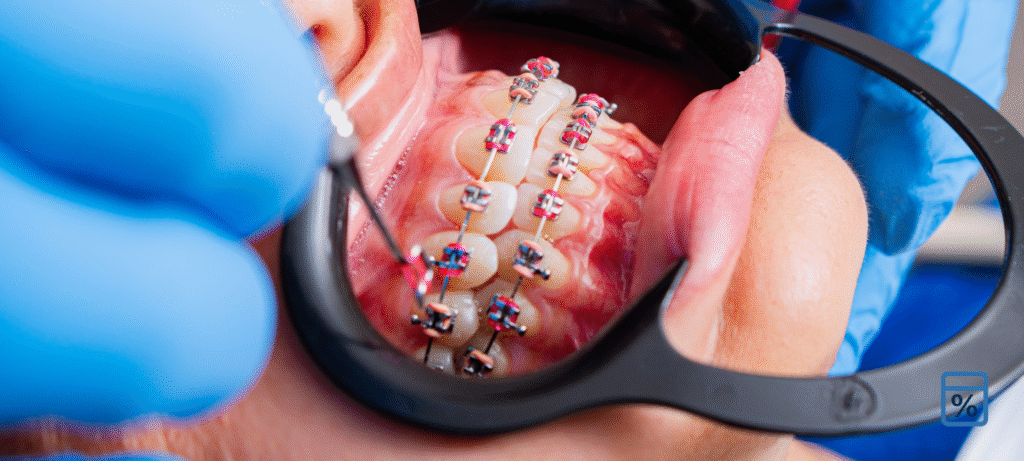
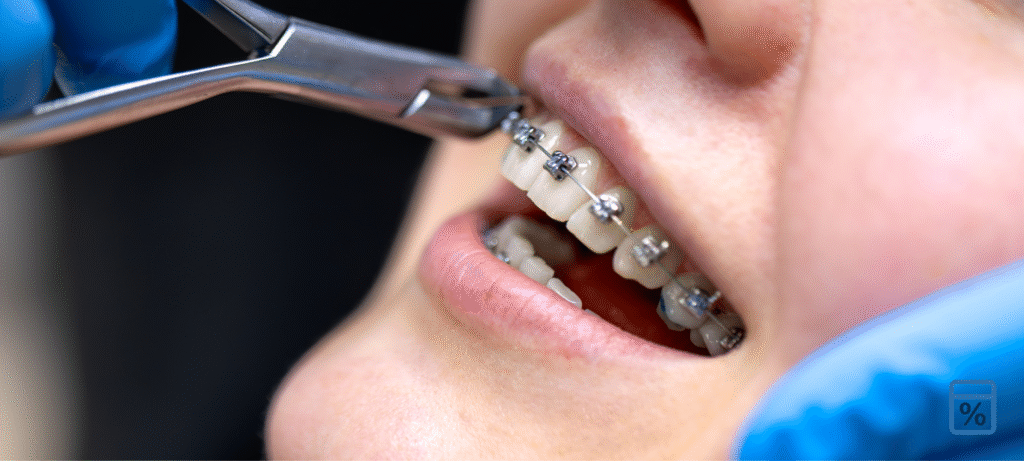
Before we get into solutions you might want to understand how your bite works and how jaw alignment affects nighttime clenching. For that you can look into what an orthodontist does and how they treat alignment issues which sometimes play a role in grinding. It might help to understand the bigger picture if your grinding is linked to misalignment.
What Exactly Is Teeth Grinding At Night
Teeth grinding is an involuntary habit where your jaw clenches tightly and the teeth slide or press against each other. Most people do it unconsciously particularly during sleep which is why it sometimes goes unnoticed for years. There are two types of nighttime grinding
Clenching
Where your jaw tightly holds the teeth together
Grinding
Where your teeth move back and forth causing friction
Both can cause serious long term problems if ignored. The tricky part is you don’t always know you’re doing it so symptoms are your biggest clue.
Common Symptoms Of Nighttime Teeth Grinding
You might be grinding if you notice things like
Jaw pain in the morning
Headaches especially around the temples
Cracked or flattened teeth
Sudden sensitivity to hot or cold
Tension around the face and ears
A partner telling you they hear grinding noises
Stiffness when opening your mouth
Pain while chewing certain foods
Some people even wake up with shoulder tension or neck pain because the jaw muscles connect to other parts of the upper body. Grinding doesn’t always show up the same way for everyone. While some people experience pain others only notice changes in their teeth.
What Causes Teeth Grinding At Night
There isn’t always one single cause. Nighttime teeth grinding usually happens because of a combination of emotional physical or lifestyle factors. Here are the most common ones.
Stress And Anxiety
This is one of the biggest triggers. When the brain stays active during sleep the jaw often tightens unconsciously.
Misaligned Teeth Or Bite Problems
When your bite doesn’t sit properly the jaw muscles work harder to find a natural resting position which can lead to grinding. This is where understanding proper tooth alignment becomes important.
Sleep Disorders
People with sleep apnoea or snoring issues often grind their teeth as the body struggles to maintain airway flow.
Certain Medications
Some antidepressants and neurological medicines have grinding as a side effect.
Lifestyle Habits
Caffeine late in the day
Smoking
Drinking alcohol before sleep
All of these can over stimulate the muscles which makes grinding more likely.
Genetics
Grinding sometimes runs in families. If your parents grind there’s a higher chance you might too.
How To Stop Grinding Teeth At Night Best Proven Methods
Stopping grinding takes time but the good news is there are lots of genuinely helpful solutions. Some stop the grinding entirely while others focus on protecting your teeth from damage.
Let’s break them down properly.
1 Use A Night Guard Or Bite Splint
This is one of the most effective ways to protect your teeth. A night guard is a custom fitted device you wear while sleeping. It acts as a cushion so your teeth don’t rub directly against each other.
There are different types
Soft night guards
Hard acrylic guards
Dual layer guards for heavy grinders
Dentists usually recommend custom made guards because they fit perfectly and last longer. Over the counter ones work too but they don’t feel as comfortable and sometimes cause jaw stiffness.
A night guard doesn’t stop the grinding instantly but it protects your teeth which is incredibly important.
2 Reduce Stress Before Bed
Since stress causes a big portion of nighttime grinding reducing it can make a massive difference. These methods help relax your jaw and mind before sleep
Reading something calming
Warm showers
Light stretching
Deep slow breathing
Meditation apps
Avoiding phone screens for at least 30 minutes before bed
Even small things like journaling or writing down tomorrow’s tasks can calm the mind enough to reduce nighttime tension.
3 Avoid Caffeine And Alcohol In The Evening
Coffee, tea, energy drinks and even dark chocolate can stimulate your jaw muscles long after bedtime. Alcohol also increases nighttime muscle activity which raises grinding levels. Cutting these things after evening time can noticeably reduce grinding within days for some people.
4 Improve Your Sleep Routine
Better sleep means less jaw tension. Try these tips
Stick to the same bedtime
Keep your room cool
Avoid eating right before sleeping
Use supportive pillows
Limit screen time before bed
A relaxed body equals a relaxed jaw which can help reduce grinding.
5 Jaw Relaxation Exercises
Simple exercises can help retrain your jaw to stay relaxed.
Put your tongue lightly behind your upper front teeth
Let your jaw hang gently
Avoid clenching while awake
Another helpful exercise is lightly massaging the sides of your jaw in circular motions before bed.
6 Treat Underlying Dental Problems
If your grinding is caused by a misaligned bite uneven teeth or jaw position you may need dental or orthodontic treatment. Sometimes grinding is a sign that your bite isn’t sitting properly which requires professional correction. A trained specialist can guide your teeth into proper alignment which reduces the overactive jaw movements that happen during sleep.
7 Manage Sleep Disorders
If you snore heavily or suspect you have sleep apnoea your grinding might be a symptom of disrupted breathing. A sleep study or consultation can help diagnose this. Treating sleep apnoea often reduces grinding drastically because your body no longer needs to clench to maintain airflow.
8 Replace Damaging Habits
Some habits make grinding worse during the day which transfers into nighttime grinding.
Chewing on pens
Biting your nails
Clenching while working
Chewing gum excessively
Being conscious of these habits helps your jaw stay relaxed even during sleep.
Can Teeth Grinding Cause Long Term Damage
Yes it absolutely can. And it can be pretty serious if ignored. Damage may include
Worn down enamel
Cracked teeth
Flattened teeth
Sensitivity
Receding gums
TMJ disorders
Headaches and migraines
The jaw joint can become stressed over time which leads to clicking sounds or difficulty opening your mouth. That’s why early treatment is always recommended.
Do Children Grind Their Teeth Too
Yes children sometimes grind their teeth especially when baby teeth fall out or new teeth appear. It usually stops on its own but if it continues for long periods or affects permanent teeth it’s best to get it checked.
When You Should See A Specialist
You should see a dentist or orthodontic specialist if
Your teeth hurt when chewing
You notice cracks or chips
Your partner constantly tells you about grinding sounds
You wake up tired with jaw pain
You feel tension around your temples
A professional can examine your bite and tell you whether grinding is mild or severe. They may also recommend a guard or suggest alignment treatment if your bite is contributing to the grinding.
Understanding how tooth alignment works can also help you see how grinding relates to jaw structure. If your grinding feels connected to your bite it’s worth learning about how alignment issues are treated.
Natural Ways To Relax Your Jaw Before Sleeping
Here are simple nightly techniques many people say helps reduce grinding
Warm compress on the cheeks
Slow breathing through the nose
Relaxing your shoulders
Avoiding sleeping on your stomach
Keeping your jaw slightly apart not touching teeth together
The more relaxed your body is the less chance your jaw will clench during sleep.
Final Thoughts
Teeth grinding at night can be frustrating and even damaging but it’s absolutely manageable once you know the real causes and treatments. Whether it’s stress related grinding or due to a bite issue there are solutions that genuinely work. From night guards to relaxation routines and dental corrections you have plenty of options.
If your grinding seems linked to how your teeth sit or how your jaw lines up learning more about how alignment works and what specialists do can give you more clarity and confidence in choosing the right treatment.