When the tire pressure light suddenly pops up on your dashboard, it can cause a bit of panic, especially when you know your tyres look perfectly normal. Drivers in the UK and pretty much everywhere else often face this small but annoying issue. The good thing is that the tire pressure monitoring system, which most people just call TPMS, is designed to keep you safe rather than scare you. Learning how to reset a tire pressure sensor is honestly one of the simplest car-care skills that saves both time and unnecessary trips to the mechanic.
Before diving into the steps, it’s worth understanding why this warning shows up, how the system actually works, and when you should worry. Although modern cars are becoming more efficient, smarter and packed with tech, sometimes they misread conditions or just need a manual reset. It’s similar to how some home gadgets need the occasional reboot to function correctly. I remember writing earlier about energy-efficient home gadgets, and funnily enough, the TPMS works on a similar logic: small sensors doing a huge job in the background to keep everything running safely and efficiently.
This guide covers everything from the most common causes behind the TPMS light to the exact step-by-step method to reset it. You’ll also find a few extra tricks to stop the light coming back again, which tends to happen more than drivers expect, especially during seasonal temperature changes.
What Does a Tire Pressure Sensor Actually Do?
Most newer vehicles come with either direct TPMS sensors or indirect systems. Both aim to warn you when one or more tyres fall below recommended pressure. Underinflated tyres don’t just make the car feel heavier; they increase fuel consumption, create uneven tread wear and reduce braking performance.
Direct sensors sit inside the tyre and read air pressure itself. Indirect systems use ABS data to calculate the change in wheel speed, assuming that a tyre with low air pressure rotates slightly differently. Regardless of the type, once pressure dips, you see the alert.
The system is brilliant but not perfect. A few common situations can make it confused, such as rapid temperature changes, battery issues inside the sensor, or simply inflating tyres without giving the system enough time to register the new reading.
How to Reset Tire Pressure Sensor Step by Step
Now onto the part most drivers look for. These steps work on most UK models including Ford, Toyota, Vauxhall, BMW, Kia, Honda and others.
Step 1: Check Actual Tyre Pressure
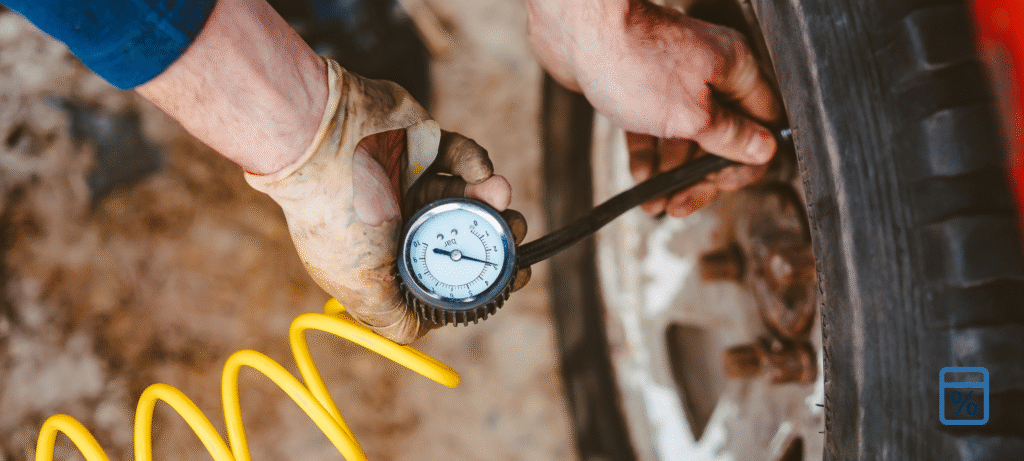
Before pressing any reset buttons, check tyre pressure manually with a gauge. Set each tyre to the exact PSI recommended on your driver-side door frame sticker. If one tyre is significantly low, you may have a small puncture rather than a sensor issue.
Step 2: Drive for 10 to 15 Minutes
Many vehicles automatically recalibrate when you drive at 20 mph or faster for around 10 minutes. This is the easiest resetting method because it requires no button pressing. If the light switches off during or after your short journey, the system has successfully refreshed itself.
Step 3: Use the TPMS Reset Button
Some vehicles have a small reset button located under the steering wheel, near the glove box or within the infotainment system. Turn the ignition on (don’t start the engine), press and hold the button until the light blinks. Start your car and give it a few minutes to clear.
Step 4: Reset Through the Car Menu
Modern cars often allow TPMS resets through their touchscreen or dashboard menu. You’ll usually find it under Settings or Vehicle Functions. Follow the specific instructions shown on-screen, usually involving confirming the current tyre pressures as correct.
Step 5: Restart the Car’s Electrical System
A softer version of a reboot sometimes works. Turn the car off, disconnect the battery for a minute, reconnect it and restart. This forces systems to re-initialise, and TPMS is often part of the bundle that resets. You should only do this if you’re comfortable working with battery terminals.
Step 6: Inflate and Deflate Method
This is an old but occasionally effective trick. Inflate all tyres by around 3 PSI above recommendation, then release air to sit exactly at target PSI. This helps the sensors pick up a new baseline pressure. After adjusting, drive again to trigger the system reset.
Step 7: If Nothing Works, One Sensor Might Be Faulty
When a sensor stops responding completely, the warning light refuses to disappear regardless of resets. Sensor batteries last about 5 to 10 years, so older vehicles are more likely to face this issue. A garage can read sensor data through a TPMS scanner and tell you which one needs replacing.
When You Should Not Reset the Tire Pressure Sensor
Sometimes drivers jump straight into resetting without checking the real problem. A continuous low-pressure warning might signal:
A slow puncture
A bent rim
A leaking valve
A tyre nearing its end of life
Driving with underinflated tyres for long distances can quickly damage the tyre’s internal structure, making it unsafe even after re-inflation. So while learning how to reset tire pressure sensor is useful, it shouldn’t replace genuine tyre care.
Why the Tire Pressure Light Keeps Coming Back
Many drivers wonder why the warning disappears after a reset only to reappear the next morning. There are a few common reasons:
Temperature drops can lower tyre pressure overnight
One tyre might have a tiny leak
The spare tyre sometimes triggers the warning if it also has a sensor
Incorrect tyre sizes confuse the system
Wheel alignment issues causing uneven tyre load
Seasonal temperature swings in the UK are enough to trigger the system even when nothing is technically wrong. A pressure drop of just 1–2 PSI is often enough to activate the alert.
What Happens If You Ignore the TPMS Light
Ignoring the alert can affect more than just comfort. Driving on low pressure has proven to:
Reduce fuel efficiency
Weaken tyre walls
Increase the chance of blowouts
Make steering feel heavy and inconsistent
A quick reset won’t help if the tyre is physically losing air. In that case, it’s better to visit a mechanic or at least inspect the tyre closely.
Extra Tip: Calibrating After Tyre Rotation
If you recently rotated or balanced your tyres, the TPMS might get slightly confused. It sometimes assumes the position of each sensor and when that changes, the readings don’t align. A reset right after rotation helps avoid unnecessary alerts.
How Seasons Affect Tyre Pressure Sensor Readings
Winter tends to be the worst period for unexpected TPMS warnings. Air contracts when cold and expands in warm weather. That’s why you may see the warning right after a frosty night but the light might switch off after driving for a while. A simple pressure top-up every couple of weeks during colder months keeps the system steady.
This is similar to preparing your gear before heading out for something unpredictable, like hiking remote routes. Earlier I wrote about secret mountain trails, and honestly, tyres behave a bit like hiking boots. If one element doesn’t quite match the environment, the whole experience feels off.
When to Replace a Tire Pressure Sensor
Although resets solve most issues, there are moments when replacement is the only reliable fix. Consider replacing if:
Sensor battery is dead
The warning stays on even after confirming proper tyre pressure
A mechanic reports faulty sensor communication
Sensor replacement isn’t too expensive and usually takes less than an hour. Many drivers choose to replace all four sensors at once for consistent performance, especially if the car is older.
In the middle of your research you might find technical details or specific brand recommendations. Websites like the AA give fairly straightforward explanations of TPMS behaviour, so checking an external source such as the AA Car Maintenance Guide is helpful for comparing official instructions.
Preventing Tire Pressure Sensor Problems in the Future
A few simple habits will reduce TPMS alerts:
Check pressure every 2 to 3 weeks
Avoid overinflating, as it confuses the baseline
Replace valve caps to keep dirt from affecting readings
Clean your rims occasionally to prevent leaks
Monitor tyre health closely during winter and summer transitions
Keep a pocket pressure gauge in your car
These habits make a bigger difference than people think. Even with a good sensor, a tyre that’s not cared for will constantly trigger alerts.
Final Thoughts
Learning how to reset a tire pressure sensor isn’t just a handy skill; it’s part of maintaining a safe and smooth daily drive. The TPMS exists for your safety but does sometimes misread conditions, especially with changing temperatures or slight pressure variations. By doing a simple check, adjusting pressure properly and resetting using your car’s menu or button, you can often solve the issue in minutes.
The key is to recognise when a reset is enough and when the warning points toward something more serious like a slow puncture or an old sensor. With regular tyre checks and a bit of attention during seasonal changes, the TPMS light becomes a simple reminder rather than a constant headache.
check out more=> How to Build a Strong Personal Brand in 2025