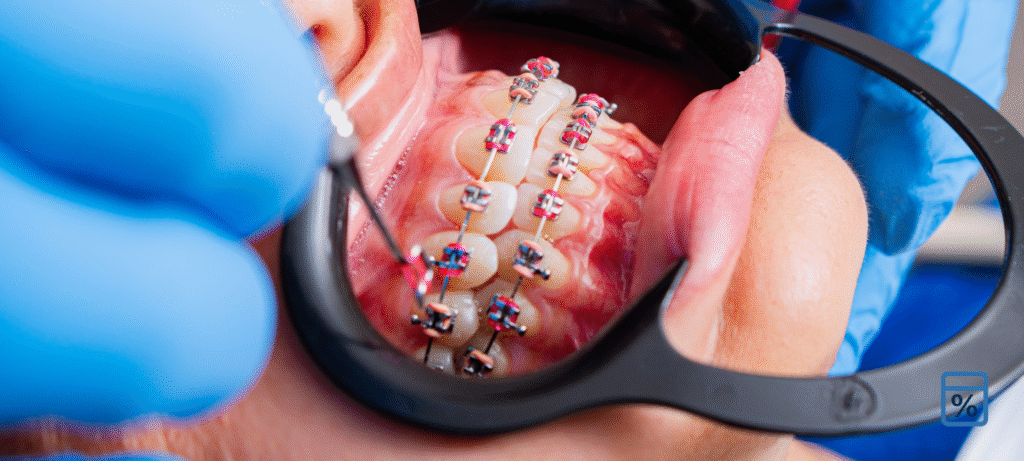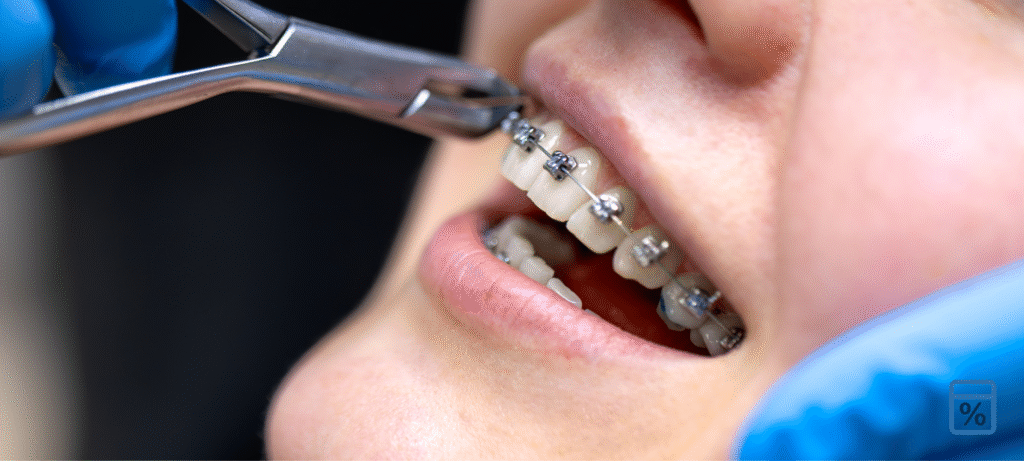
If you’ve been trying to figure out how much are braces in Texas, you’ve probably noticed the prices are all over the place. One office says a few thousand, another one quotes almost double, and then you start wondering if you’re missing something. The truth is, orthodontic treatment has never been a one-size-fits-all thing, and Texas is no different. Costs usually land between 2400 and 8000, but why that gap exists is where things get interesting.
A lot of people expect an exact answer right away, but braces work almost like home renovations — until someone looks at the place (in this case, your teeth), no one can give you a precise number. Still, looking at common prices across major Texas cities helps set some expectations before your consultation.
Typical Costs You See Around Texas
Most Texans end up paying somewhere around 3000 to 6500 for standard metal braces. These are the typical silver braces, the kind that have been used for years because they simply get the job done.
Ceramic braces, the ones that blend in and don’t stand out as much, usually fall in the 4500 to 8000 range. A lot of adults choose these because they’re less noticeable, but they do cost a bit more.
Then there’s Invisalign and other clear aligners. These are popular in Dallas, Austin, and suburban areas where adults often prefer something more discreet. The price usually runs from 3500 to 7500, depending on how many aligner trays you need. Some people finish in a few months. Others need 18 months or more.
The point is… Texas offers every style at almost every price point. What matters is figuring out which bracket you fall into.
What Affects Your Final Cost More Than Anything
Most people assume the type of braces is the big factor. Surprisingly, it’s not. The biggest influence is the complexity of your case.
If your teeth only need mild straightening, you’ll pay on the lower end of the range—often less than you expect. But if your bite needs reshaping, or you’ve got crowding, gaps, or jaw alignment issues, the price naturally climbs. That’s because tougher cases take longer, require more visits, and sometimes need additional appliances.
Location across Texas has an effect too. For example, orthodontic offices in Dallas, Austin, and The Woodlands tend to have higher operating costs. Meanwhile, clinics in smaller cities like Abilene, Waco, and Harlingen are usually more budget-friendly.
Length of treatment also plays a role. A 12-month case won’t cost the same as a 3-year case. And the experience level of the orthodontist is another thing many people forget to factor in — highly specialized providers sometimes charge more, especially for adult corrections.
How Insurance Helps (and Sometimes Doesn’t)
Insurance can make a major difference, but the tricky part is that not all plans treat orthodontics the same way. Many dental plans cover up to half the cost, but only up to a certain limit.
A lot of families don’t know that Texas has public info about how orthodontic benefits work. The Texas Department of Insurance breaks down what insurance companies must disclose and how orthodontic coverage is regulated. You can read their guidelines here.
Coverage tends to be stronger for kids than adults. Some adult plans don’t include orthodontics at all unless you choose a higher-tier package. That’s why many people still end up using payment plans even when they have insurance.
Payment Plans Most Texans Use
Almost every orthodontic office in Texas now offers flexible payment arrangements. Many don’t even perform credit checks for their in-house plans. You usually pay a down payment—sometimes as low as 250 to 500—and the rest is divided into monthly installments. If you want something more formal, there are third-party financing companies, but people generally try the in-house plan first because it’s straightforward.
Some offices also give small discounts if you pay everything upfront. It’s worth asking, even if you’re not sure you’ll do it.
Kids vs Adults Why the Costs Differ
Children’s orthodontic treatments often cost less because their teeth and jaws are still developing, which makes adjustments easier. Adults sometimes need extra steps like extractions, gum treatment, or bite corrections. Those added steps naturally increase the cost.
Plus, adults almost always want discreet options, which generally cost more. A teenager might happily go with traditional braces. A working adult who’s constantly in meetings usually prefers ceramic or clear aligners.
Choosing the Right Orthodontist in Texas
When people ask how much braces cost, they tend to focus on numbers instead of choosing the right provider. The price does matter, of course, but the overall experience and skill of the orthodontist make a difference in both comfort and long-term results.
If you’re just now starting the research journey and still figuring out what orthodontists actually do, this might help: Here’s a helpful guide that explains how orthodontists manage teeth alignment and jaw concerns.
One more tip: always ask for a consultation before committing. Many Texas orthodontists offer free first visits, including digital scans and full treatment estimates.
Are Braces Worth the Price in Texas
Most people who finish their treatment say yes without hesitation. Beyond the cosmetic improvements, braces also make brushing and flossing easier, which reduces long-term dental issues. A well-aligned bite can prevent jaw pain, uneven wear on teeth, and other problems people often blame on age but actually come from misalignment.
Whether you’re in San Antonio, Fort Worth, Austin, or a smaller Texas town, you’ll find that orthodontists generally try to work with different budgets. With payment plans, insurance, and treatment options for every level of need, there’s almost always a way to make braces manageable.
Final Thoughts
So, how much are braces in Texas It depends on the exact situation, but most Texans fall somewhere in the 2400 to 8000 bracket. Your treatment type, your location, your insurance, and the orthodontist you choose will shape the final cost.