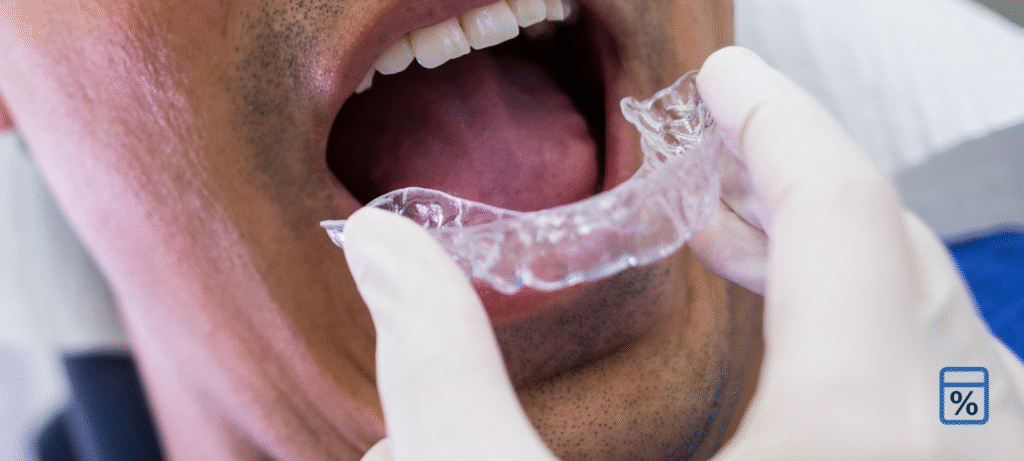
If you wear a night guard, you already understand how much that little piece of plastic protects your teeth. It stops grinding, reduces jaw pressure, prevents headaches, and honestly saves people from expensive dental treatments down the road. But here’s the part many people ignore until the guard starts smelling funny or looking cloudy: cleaning it properly.
A night guard sits inside your mouth for hours every night. Saliva, bacteria, leftover food particles, and plaque settle on it while you sleep. If it isn’t cleaned the right way, it can become a perfect home for bacteria. Some people even develop bad breath or gum irritation because they didn’t realise their night guard needed more care.
The good news is that cleaning a night guard isn’t complicated at all. It just takes a few minutes a day and a bit of weekly maintenance. If you’ve been dealing with dental issues already, like cavities or sensitivity, keeping your night guard clean becomes even more important. We recently wrote about how long a cavity filling takes, and one thing many dentists agree on is that bacteria buildup (including from unwashed dental appliances) can make oral problems show up faster. A clean night guard isn’t just about hygiene — it plays a part in long-term oral health.
So let’s go through the best ways to clean your night guard properly without damaging it.
Why Cleaning a Night Guard Matters More Than People Realise
Some people rinse their night guard under tap water and assume that’s enough. The truth: rinsing only removes surface saliva. It does nothing for the invisible layers of bacteria forming on it.
A dirty night guard can lead to:
- bad breath
- gum irritation
- mouth sores
- fungal growth (it happens more often than you’d think)
- reduced lifespan of the guard
If you’ve ever smelled a night guard that hasn’t been cleaned in a while, you know exactly why proper cleaning matters.
Daily Cleaning Routine: The Quick, Basic Steps
Cleaning your night guard every morning is the easiest way to prevent buildup. This is the routine most dentists recommend because it’s simple and only takes about a minute.
1. Rinse Immediately After Waking Up
As soon as you take the night guard out, rinse it with cool water. Never use hot water — it can warp the guard.
2. Brush It (But Not With Toothpaste)
This surprises a lot of people. Toothpaste is abrasive and can scratch the guard, which makes it cloudy and gives bacteria more places to hide.
Use:
- a soft toothbrush
- plain water
- or mild dish soap if needed
Gently scrub all surfaces, especially the grooves where plaque sticks.
3. Rinse Again and Let It Air Dry
Drying is just as important as cleaning. Bacteria love moisture.
Leave it in a clean, ventilated place for at least 20–30 minutes before storing it.
Weekly Deep Cleaning: The Part Most People Forget
Daily cleaning removes surface residue, but deep cleaning keeps the guard fresh and clear. You only need to do this once a week.
Use a Non-Alcohol, Non-Bleach Soaking Solution
Avoid anything harsh or strong-smelling — these can erode or degrade the plastic.
Safe options:
- a mixture of water + mild dish soap
- water + baking soda
- specialised night guard cleaning tablets
Let the guard soak for about 10–15 minutes.
Longer soaking can actually wear down the material.
A lot of people assume they can use denture cleaners or household bleach. You should never do that. They can weaken the guard and cause irritation when you place it back in your mouth.
For reliable information about the types of cleaners that are considered safe for dental appliances, the dental care guidelines published by the American Dental Association give practical, easy-to-understand recommendations professionals follow in clinics.
How to Prevent Your Night Guard From Getting Smelly
If a night guard isn’t cleaned well, it picks up an odour quickly. Here are simple tricks to keep it smelling neutral:
- Let it fully dry before storing
- Avoid leaving it in a closed case while still wet
- Clean the storage case weekly
- Avoid flavored or scented products that leave residue
- Don’t drink sugary drinks before wearing it
Most bad odours come from moisture trapped in the case. Drying the night guard properly solves 80% of odour problems.
What Not to Use on a Night Guard
These things will either damage the material or irritate your mouth:
- toothpaste
- boiling water
- alcohol-based mouthwash
- bleach
- baking soda paste (baking soda is fine dissolved in water only)
- harsh cleaning brushes
- sharp tools
Night guards are durable but not indestructible. A few wrong products can shorten their lifespan significantly.
How to Clean a Yellow or Cloudy Night Guard
Even with regular cleaning, night guards can turn cloudy or slightly yellow over time. Usually, this is from minerals in your saliva or water.
To restore clarity:
- soak the guard in equal parts water and distilled white vinegar for 10 minutes
- rinse thoroughly
- brush gently with a soft toothbrush
- let it dry completely
Do not soak longer than recommended. Extended vinegar exposure can soften the guard.
If your night guard remains yellow even after cleaning, it might be time for a replacement — especially if it’s more than a couple of years old.
How to Clean a Night Guard After You’ve Been Sick
If you’ve had a cold, flu, sore throat, or any illness involving bacteria or viruses, clean the night guard more thoroughly.
Steps:
- soak in a safe disinfecting solution
- rinse well
- let it dry
- clean its case
- avoid using mouthwash with alcohol
Some people use hydrogen peroxide, but many guards don’t react well to it. A mild, professionally recommended soak works better.
How Long Should a Night Guard Last With Good Care?
A well-maintained night guard can last several years, depending on the type:
- soft guards: 1–2 years
- dual-layer guards: 2–4 years
- hard acrylic guards: 3–7 years
If you grind your teeth heavily, you’ll need replacements more often. Some people chew through soft guards in months without realising how severe their nighttime grinding is.
If you’ve been dealing with other dental treatments like fillings, crowns, or even veneers, cleaning your night guard becomes even more important. In our breakdown of how long a cavity filling takes, we talked about how restoring damaged teeth depends heavily on keeping bacteria under control afterward. The same principle applies here — a clean night guard supports overall oral health and keeps new dental work safe.
Signs You Need a New Night Guard
Even with great cleaning, night guards eventually wear out. Watch for:
- cracks
- flattened bite marks
- cloudy areas that won’t clean
- sharp edges
- a loose or uncomfortable fit
If you notice any of these, the guard isn’t protecting your teeth properly anymore. Grinding forces are surprisingly strong — stronger than most people realise. A worn-out guard exposes your teeth to long-term damage.
Related => Why Are My Teeth All of the Sudden Sensitive?
Do You Have to Clean the Storage Case Too?
Yes, and most people never do.
The whole point of cleaning your night guard disappears if it goes right back into a dirty container.
To clean the case:
- wash with warm soapy water
- rinse well
- let it dry fully
- avoid leaving it in humid bathrooms
Moist bathroom air can cause bacteria and mold to grow inside the case.
Final Thoughts: A Clean Night Guard Protects More Than Just Your Teeth
Cleaning a night guard is simple once you build it into your routine. A minute in the morning, a quick soak once a week, and a clean case — that’s all it takes to keep bacteria under control.
Your night guard lasts longer.
Your breath stays fresh.
Your gums stay healthy.
And your teeth stay protected while you sleep.
If you’re already taking steps to maintain your dental health, including getting fillings when needed, keeping your night guard clean fits right into the same long-term care mindset. It’s one of those small habits that makes a big difference over time.