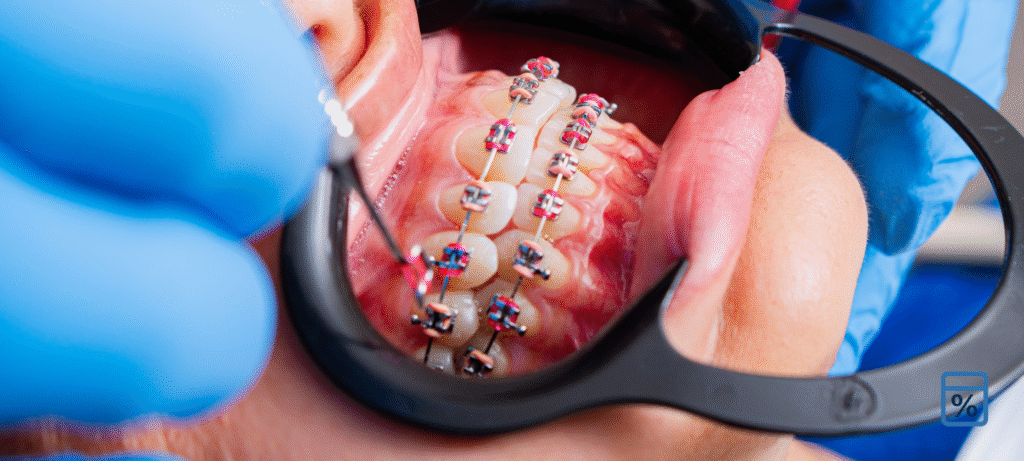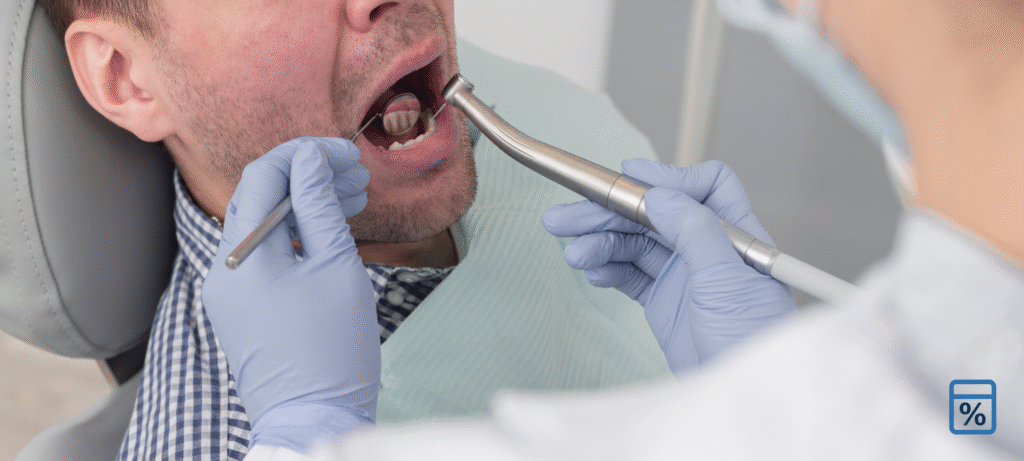
If you’ve ever sat in a waiting room staring at the ceiling, thinking about that tiny toothache that somehow became a big problem overnight, you’re definitely not alone. A lot of people avoid the dentist because they imagine long, painful procedures or hours stuck in the chair. But cavity fillings? They’re honestly one of the quickest and most routine treatments dentists do every single day.
Still, most people wonder: how long does a cavity filling actually take? Some say 30 minutes, others swear it took them an hour. And then there are people who convince themselves it’ll take all morning. Realistically, it depends on a few practical things — the size of the cavity, the tooth location, the dentist’s technique, and sometimes even how still you can stay.
Before we get into the timing, it’s worth mentioning that fillings sit right in the middle of basic tooth repair, unlike cosmetic work like veneers. If you’re in the middle of comparing different dental treatments, you can take a look at the piece we wrote earlier about how long veneers last, which explains how long-term smile improvements behave over the years on client.trumpseotools.com. It gives you a helpful contrast between routine restorative work and investment-level cosmetic upgrades.
So… How Long Does a Cavity Filling Take on Average?
Most cavity fillings take about 20 to 60 minutes per tooth. It’s honestly surprising how fast it goes once you’re in the chair and the dentist gets started. Small cavities can be done in the time it takes to drink a coffee (though, ideally not right after the filling). Larger or deeper cavities take longer, especially if they’re close to the nerve or hidden in awkward spots.
Here’s a loose breakdown:
- Tiny surface cavity: 10–20 minutes
- Standard cavity: 20–40 minutes
- Deep or multi-surface cavity: 45–60 minutes
- Multiple fillings in one visit: 1–2 hours
When people say their filling took “forever,” usually it was because they had two or three done in the same appointment.
What Actually Happens During a Filling (Step-by-Step Without the Dental Talk)
Sometimes knowing what’s happening makes the whole thing feel shorter. Here’s the real sequence:
1. Numbing the tooth
The dentist applies a gel, then gives a tiny injection. Most people don’t feel more than a pinch.
This part takes 2–5 minutes including waiting time for numbness to kick in.
2. Cleaning out the decay
This is where the drill comes in. It removes the damaged part of the tooth so the dentist can place a strong filling.
Time: 5–20 minutes, depending on how big the cavity is.
3. Filling the tooth
Composite resin (the common white material) goes in layers, each cured with a blue light.
Time: 5–15 minutes.
4. Shaping and polishing
The dentist checks your bite and smooths out the filling so it doesn’t feel weird when you chew.
Time: 5–10 minutes.
All of this adds up to that general 20–60 minute window.
Does the Location of the Tooth Change the Time? Yes – More Than People Think
Front teeth usually take less time because they’re easier to reach and smaller. Molars in the back can take longer because:
- the dentist needs better access
- the grooves are deeper
- cavities on molars tend to spread more
If the filling wraps around multiple sides of the tooth, that adds even more time.
How Long Does It Take for the Filling to Fully Harden?
Composite fillings set almost instantly because of the curing light. You can actually chew on them right away (though your face might still feel half-frozen).
But even if the material hardens instantly:
- the numbness lasts 1–3 hours
- full bonding strength builds the next few days
- your bite might feel slightly “off” for a day or two
If you’re comparing this with cosmetic work, fillings are nothing like veneers — they don’t require shaving the front of the tooth or bonding delicate porcelain. In the article about how long veneers last, we broke down how long-term bonding works and what affects cosmetic materials compared to everyday restorations. It’s a helpful reference if you’re juggling both dental concerns at once on client.trumpseotools.com.
What Affects the Total Appointment Time?
Here are the real-world factors most people never consider:
1. The size of the cavity
Small cavity = quick.
Big cavity = slow.
Simple as that.
2. Whether you’re anxious
When someone needs breaks or needs more time to relax between steps, dentists slow down too.
3. How long it takes to get numb
Some people get numb in 30 seconds. Others take 10 minutes.
4. The dentist’s style
Some dentists work fast. Others take their time shaping fillings like tiny sculptures.
5. If multiple fillings are done together
Dentists usually combine them since you’re already numbed, but it makes the session longer.
Does a Filling Hurt? Before, During, or After?
During the filling:
No — you shouldn’t feel pain.
Pressure and vibrations maybe, but not pain.
After the filling:
Some sensitivity is normal for a few days, especially with cold drinks or biting. If it lasts longer than a week, the dentist just needs to adjust the bite — super common and very quick.
If someone keeps postponing fillings, though, small cavities become big ones. And when they’re too big, sometimes the dentist ends up recommending a root canal instead. For anyone who wants a breakdown of that, we also have a piece on the site discussing how long a root canal takes, which helps you understand what happens when a cavity goes too far.
Is a Filling Ever So Big That It Takes Longer Than an Hour?
Yep — but not often.
These cases take longer:
- large cavities close to the nerve
- cavities under old fillings
- cracked teeth needing extra attention
- teeth that are difficult to access
If the cavity is too deep, the dentist might place a special liner to protect the nerve. That adds a few minutes but helps avoid future sensitivity.
How Soon Can You Eat After a Filling?
If you’re not numb anymore, you can eat whenever you want. But if the numbness is still there, be careful — people bite their tongue or cheek without realizing it.
Hot drinks are better avoided until the numbness fades because you might accidentally burn yourself without noticing.
Sticky foods might tug on the new filling, so dentists usually suggest avoiding those for the first day just to be safe.
How Long Does the Filling Itself Last?
A lot of people confuse “how long the appointment takes” with “how long the filling lasts.” Different question, but an important one.
Typical lifespan of fillings:
- Composite fillings: 7–12 years
- Amalgam (silver) fillings: 10–15+ years
The dentist chooses material based on:
- location
- bite force
- size of decay
- cosmetic expectations
If you’re also curious how cosmetic restorations compare, those porcelain veneers we talked about earlier behave differently from fillings because they bond to the front surface, not inside the tooth. That earlier breakdown on client.trumpseotools.com explains how veneer longevity works if you want to compare the durability of cosmetic vs. restorative treatments.
For trusted reference material that most dentists still follow when choosing filling types, the American Dental Association regularly publishes practical guidelines and studies that explain how long different filling materials perform in real patients over time.
When Should You Worry After a Filling?
A filling is simple, but sometimes problems happen (rarely). You should call the dentist if:
- the filling feels too high after two days
- pain increases instead of decreasing
- you can’t chew on the tooth comfortably after a week
- sensitivity lasts beyond two weeks
- the filling cracks or falls out
Most of these fixes take just a few minutes — usually adjusting the bite is all it needs.
Final Thoughts: Fillings Don’t Take Long, but Waiting Too Long Does
The good news is that cavity fillings are quick, routine, and painless for most people. In almost every case, you’re in and out within an hour — and the tooth stops getting worse the moment it’s filled.
If you’ve been putting off that appointment because you’re nervous or worried it’ll take half the day, don’t be. Fillings are honestly one of the easiest dental procedures, especially compared to more complex options like crowns or veneers.
And if you’re comparing a few dental treatments or planning long-term smile improvements, checking out your earlier reading on how long veneers last can help you understand how everyday repairs differ from cosmetic upgrades on client.trumpseotools.com. Combining both gives you a better picture of how to take care of your teeth over the long run.