If you’ve been thinking about getting veneers, one of the first practical questions that comes up—after the whole “how will they look” curiosity—is how long they’re actually going to last. When you’re investing money, time and honestly a bit of hope into your smile, it’s normal to want straight answers instead of vague dentist talk.
The truth is, veneers can last a long time, but it depends on several things most people don’t hear until after they’ve already booked the appointment. Materials matter, yes, but the way you use your teeth every day matters just as much. And unlike some cosmetic procedures that fade no matter what, veneers can last over a decade if they’re taken care of properly.
Instead of throwing numbers at you without context, let’s break things down honestly, the same way a friend would explain after their own treatment.
So, How Long Do Veneers Usually Last?
Most people keep their veneers somewhere between 10 and 15 years, but that’s not a strict rule. Some people need repairs earlier, and others are surprised at how little maintenance theirs need even after the 15-year mark.
Porcelain Veneers: The Long-Lasting Type
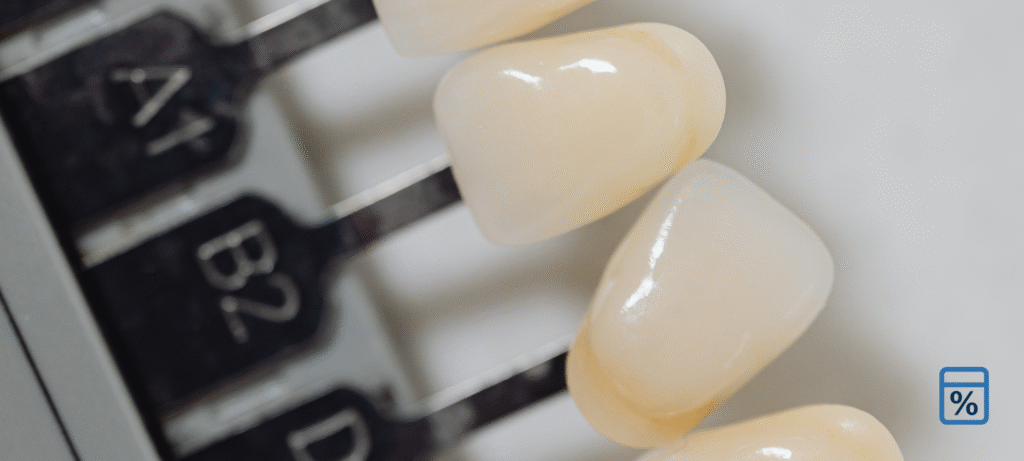
Porcelain veneers tend to hold up the best. When they’re placed well, they’ll often last 12 to 20 years. They resist stains, they don’t lose their shine as quickly and they stay firm even when you’re eating tougher foods.
Composite Veneers: Shorter Lifespan but More Affordable
Composite veneers are a quicker option and cost less upfront. But they’re not as resistant to staining, and they wear down faster. Most people replace or repair them around the 5 to 7 year range.
Why Veneers Don’t Last the Same for Everyone
There isn’t one magic number because your mouth isn’t the same as anyone else’s. How you clean your teeth, how you chew, how you sleep, the shape of your bite—these all add up.
1. Your Oral Hygiene Routine
Even though veneers cover the front of your teeth, the real tooth underneath still needs proper care. If plaque builds up or the gum starts to pull back, the edges of the veneers can become noticeable or weak.
2. Grinding Your Teeth
This one is a big deal. If you grind or clench (even lightly), veneers get worn down faster. Some people don’t even realize they grind until their dentist points it out. A night guard often saves veneers from early damage.
3. What You Bite and Chew
You don’t need to treat your veneers like glass, but biting into really hard foods or constantly eating crunchy things can shorten their lifespan. Opening things with your teeth (please don’t do that) can crack them instantly.
4. Your Dentist’s Skill Level
Not all veneer work is the same. A dentist who does cosmetic work regularly will usually shape and bond veneers in a way that makes them last longer. Small details like the angle, thickness and bonding material matter more than people expect.
Signs Your Veneers Are Starting to Wear Out
Veneers don’t suddenly fall off one random morning. They usually give small hints first:
- Tiny cracks or chips
- A dull look compared to when they were new
- A darker line near the gum
- Edges that no longer sit flush with the tooth
- Teeth feeling a bit more sensitive
- A sudden change in color matching
If you catch these signs early, repairs are often easier and cheaper.
Replacing Veneers: What Actually Happens
If you do need replacements, don’t worry. It’s usually not a painful or complicated process. The dentist gently removes the old ones, cleans the tooth surface and takes new impressions. Replacement veneers often look even better because materials and techniques improve over time.
Some people also decide to change the shape or color when they replace them, so it becomes a chance to refresh their smile completely.
Related=> How Long Does a Root Canal Take
How to Make Your Veneers Last Longer
This is the part most people ignore until it’s too late. Veneers don’t require extreme maintenance, but these simple habits can buy you many extra years.
Brush and Floss Using Gentle Techniques
A soft toothbrush and non-abrasive toothpaste help keep your veneers from scratching. Flossing keeps the gums healthy, which stops recession from exposing veneer edges.
Watch Out for Staining Foods
If you have composite veneers, this matters a lot. Things like coffee, tea, red wine and foods with artificial colorings can stain composites faster.
Porcelain is more resistant, but the teeth around them can stain, making the veneers stand out.
Protect Them at Night
If you grind, a night guard might be the only thing that prevents premature damage. Grinding pressure is far stronger than normal chewing.
Avoid Using Your Teeth as Tools
It sounds obvious, but even people who know better still open packets or bite their nails occasionally. Veneers won’t forgive that.
Keep Your Dental Appointments
Regular checkups help catch early issues like gum recession, bonding problems or plaque buildup around the edges.
Are Veneers Worth It?
For many people, yes. Veneers can correct color, shape, chips, gaps and unevenness all in one go. They offer a confidence boost that often makes them feel like a solid long-term investment. Still, they’re not a perfect match for everyone. If your teeth have deeper issues—like infections, untreated decay or major sensitivity—those need handling first.
This is where treatments that protect the inside of the tooth come in. A good example is understanding how long a root canal typically takes, which helps people see how dentists handle deeper tooth problems before moving toward cosmetic changes. Many people don’t realize the steps happening beneath the surface before veneers even become an option.
Before Getting Veneers, Keep These in Mind
Your Dental Health
Veneers go onto healthy teeth. If you have gum problems, cavities or sensitivity, those must be fixed first.
Your Bite Alignment
If your bite puts uneven pressure on certain teeth, veneers may wear down faster.
Your Long-Term Goals
Some people want a quick cosmetic fix; others want a full, long-lasting upgrade. Both are valid—just be clear on what you expect.
Can Veneers Fail Early?
Unfortunately, yes. It doesn’t happen often, but early failure usually has a root cause:
- Veneers placed too thin
- Improper bonding technique
- Gum disease around the veneer
- Trauma or accidents
- Heavy grinding that wasn’t treated
This is why picking the right dentist and being honest about your habits (like night grinding) makes such a big difference.
Where to Get Reliable Dental Information
If you ever want medically verified information about material durability, safety and research behind cosmetic procedures, the American Dental Association publishes reliable explanations that dentists themselves use when discussing long-term results with patients.
Final Thoughts: How Long Do Veneers Last?
Most veneers last 10 to 15 years, and porcelain versions often push beyond the 20-year mark with good care. How long yours last depends on the material, your habits, your natural tooth health and the skill of the dentist.
If you treat them well, veneers can give you a strong, natural-looking smile for well over a decade. And if you ever feel unsure about your options, a consultation with a cosmetic dentist is the best place to start.
You can find us here: Vat Calculator