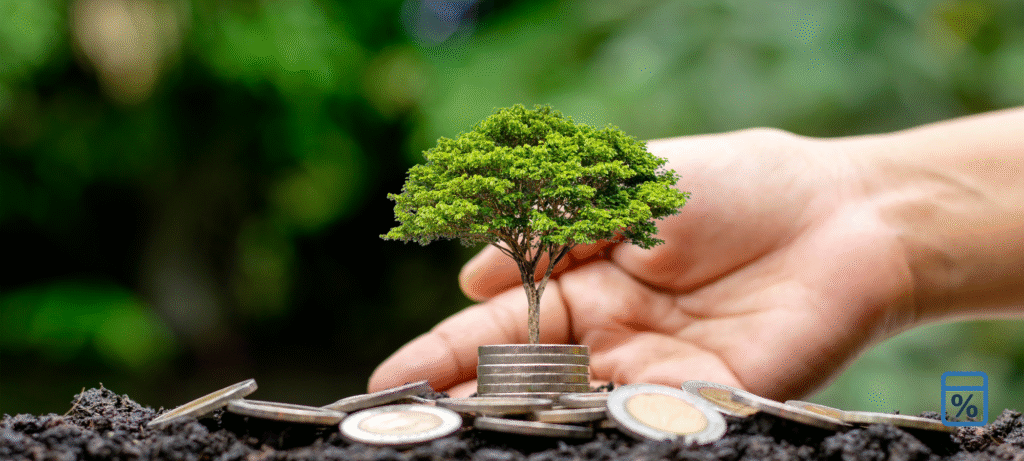
Living sustainably has become something we hear about almost every day, yet a lot of people still struggle with knowing where to start. Some imagine sustainability is a huge lifestyle shift, almost like you need to change your whole routine overnight. But the truth is much simpler than that. Sustainable living is really about small, thoughtful actions that you can fit into your everyday life without losing comfort or convenience.
In this guide, I’ll walk you through realistic sustainable lifestyle tips that genuinely work. You don’t need expensive gadgets or fancy eco-friendly brands. You just need gradual changes that you can actually maintain. If you’ve read our earlier article on online degree programs in the UK, you may remember we focus a lot on practical solutions — the same idea applies here. Sustainable living isn’t about perfection; it’s about progress that fits your life.
Reduce Waste With Small Daily Habits
Probably the easiest place to begin your sustainable journey is reducing waste at home. It’s surprising how much trash the average household produces without even meaning to. Most of it comes from small habits that can be changed if you shift your mindset slightly.
Start With Reusable Essentials
Instead of reaching for disposable plastic bottles or food packaging, reusable items make a huge difference. A sturdy water bottle, a reusable coffee cup or reliable glass food containers all reduce waste without making your life harder.
It doesn’t need to be expensive either. You can reuse old jars for storage, carry cloth bags for groceries and refill containers at stores that offer bulk options. Many people start with just replacing one item — for example, switching from plastic shopping bags to a reusable tote — and then build from there.
Composting Helps More Than You Think
You might not realise how much of your waste is organic. Fruit peels, eggshells, coffee grounds, vegetable scraps — all these go straight to landfill when they could easily be composted. If you don’t have space for a compost bin, many cities have shared compost points or farms that accept organic waste. Even reducing your trash by a small portion every week helps lower your overall environmental footprint.
Save Energy at Home With Simple Adjustments
People often assume energy reduction requires big changes like installing solar panels or replacing all your appliances. But the truth is that small adjustments offer significant long-term impact.
Use LED Lighting
LED bulbs consume a lot less electricity and last much longer than older bulbs. Switching them out makes a noticeable difference in your energy bill over time.
Unplug Chargers and Electronics
A lot of devices keep drawing power even when they appear switched off. This is sometimes called “phantom energy.” Unplugging your TV, chargers and speakers when not in use prevents this unnecessary consumption.
Rely on Daylight Whenever Possible
Whenever you can, keep your curtains open during the day. Natural light reduces electricity use and creates a healthier home atmosphere.
Use Government Energy Guidance
The UK government provides helpful advice on improving home efficiency, including insulation, heating and energy savings:
Shop More Sustainably Without Overspending
There’s a myth that sustainable shopping is more expensive. But most of the time, sustainability actually saves money because you’re buying less and thinking more intentionally.
Choose Secondhand First
Buying pre-loved items is one of the most underrated sustainability strategies. Websites like Vinted, Depop, Facebook Marketplace and even charity shops often have great-quality items at low prices.
Buy Local When You Can
Local farmers’ markets and small shops support local economies and reduce the carbon footprint associated with large-scale shipping. Whether it’s vegetables, bread or handmade products, buying locally supports sustainability naturally.
Avoid Impulse Purchases
Impulse buying is a big contributor to waste. A simple rule is: if you’re unsure, wait 24 hours before buying. Usually, the “need” disappears.
Switch to Safer, Eco-Friendly Cleaning Products
Many people don’t realise how much chemical waste comes from everyday cleaning products.
Use Simple Natural Cleaners
Vinegar, lemon juice and baking soda can be used to clean nearly everything in the home. They’re cheap, safe and surprisingly effective.
Try Refillable Cleaning Solutions
Brands like Smol or Ecover offer refill systems that dramatically cut down on plastic waste. You only need to buy the container once and keep refilling it.
Additional environmental management guidance can be found at:
Save Water With Basic Daily Habits
Water conservation isn’t complicated. In fact, most people can reduce water usage just by being mindful.
Fix Small Leaks Quickly
A minor leak can waste huge amounts of water over a year. Fixing them early saves money and resources.
Shorter Showers
Even reducing your shower by a couple of minutes saves litres of water every day.
Turn Off Water While Doing Tasks
Whether brushing your teeth or washing dishes, running water unnecessarily is one of the biggest forms of domestic water waste. Just turning it off during those few seconds helps a lot.
Rethink Transportation and Travel Habits
Transport contributes heavily to carbon emissions, but you don’t have to give up driving altogether.
Walk or Cycle for Shorter Distances
This is one of the most straightforward sustainable habits and also improves your fitness.
Use Trains and Buses More Often
Public transport emits less carbon per person compared to individual cars. If you live in a city with good transport services, this is an easy change.
Carpooling Is Still Effective
If you commute daily, sharing a ride with a colleague or neighbour reduces emissions and saves fuel.
Adopt More Sustainable Food Habits
Food consumption is a major part of sustainable living. You don’t need to follow a strict diet — small improvements work well.
Try One Plant-Based Day a Week
Even reducing meat a couple of times a week lowers your environmental impact. It doesn’t have to be perfect.
Plan Meals to Reduce Food Waste
A lot of waste comes from buying more food than we eat. Planning your meals helps reduce spoiled food and saves money too.
Choose Sustainable Seafood
Look for accredited labels like MSC when buying fish. They help ensure fishing practices are environmentally responsible.
Recycle Correctly
Recycling is helpful only when done properly.
Check Local Recycling Instructions
Not all councils accept the same materials. Reading the rules once or twice ensures you recycle correctly.
Rinse Containers Before Recycling
Dirty recyclables often get rejected by recycling centres, which means they still end up in landfills.
Create a Sustainable and Healthy Home Environment
Sustainability doesn’t only relate to nature — it also enhances your living environment.
Add Indoor Plants
Plants improve air quality and add a calming atmosphere to your home.
Choose Natural Materials for Furniture
Wood with FSC certification, recycled metal frames or natural fibre fabrics make your home environmentally friendly without compromising style.
Think About Digital Sustainability
Even things online use energy. Data centres that store your photos, emails and videos run huge servers 24/7.
Clear Out Unnecessary Emails and Files
Deleting old emails and files reduces cloud storage usage.
Lower Video Streaming Quality When You Don’t Need HD
Watching everything in HD isn’t always necessary and consumes more data.
Practice a Mindful Approach to Consumption
Sustainable living isn’t only about products; it’s a mindset.
Pause Before Buying Anything
Ask yourself whether the purchase is essential or simply a temporary desire.
Learn Basic Repairs
Fixing clothing, tightening a loose screw or repairing a chair prevents unnecessary buying and keeps your belongings useful longer.
Build a More Sustainable Wardrobe
Fashion waste grows every year, but here’s how to reduce your clothing footprint.
Buy Fewer, Better Items
Quality clothing lasts longer and usually looks better over time.
Wash Clothes on Cold Settings
Cold washing saves energy and helps clothing last longer.
Air Dry Your Laundry
Dryers wear out fabric faster and use a lot of energy. Air drying is better for both the environment and your clothes.
Support Brands and Organisations Working Toward Sustainability
If you want to expand your impact beyond personal habits:
Support brands with transparent sustainability reports
Donate to environmental groups like WWF or Friends of the Earth
Join local clean-up or tree-planting activities
Final Thoughts
Living sustainably doesn’t mean transforming your life overnight. It’s more about building thoughtful habits. Choose just a few tips from this guide and practice them until they become natural. Over time, you’ll notice you’re producing less waste, saving more money and creating a cleaner, healthier environment for yourself and the people around you.
You can find us here: Vatcalculator uk